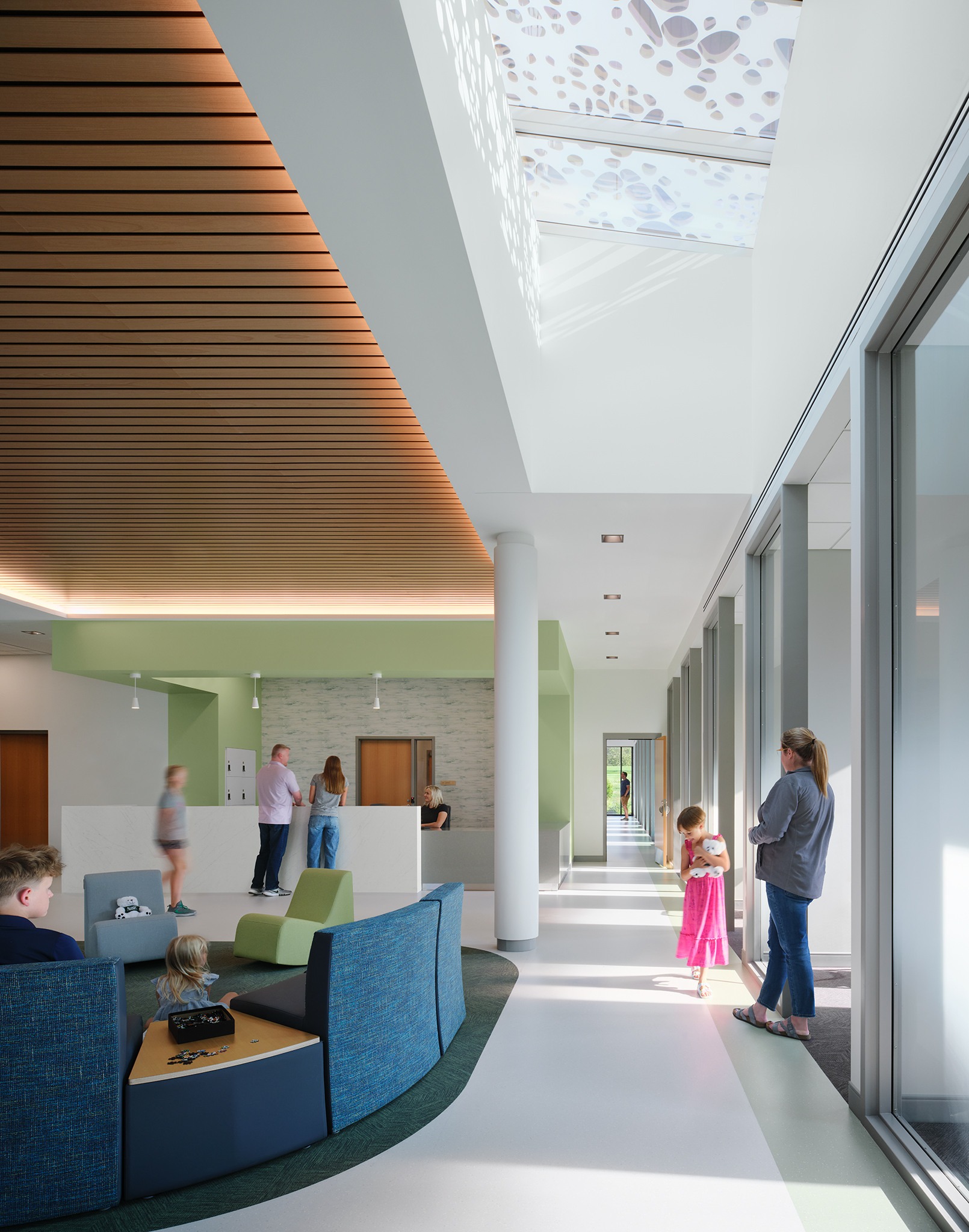
Project of the Year Feature: Community Impact
January 30, 2026
BURR RIDGE – CISCO’s 7th 2025 Project of the Year Feature is one of two Board Excellence acknowledgments for CISCO’s Community Impact award. The Executive Board decided to use its discretionary authority and acknowledge the DuPage County Crisis Recovery Center. This project was unique, and the Executive Board felt it deserved to be recognized. General contractor was Wight Construction; client was DuPage County Health Department.
When considering submissions, judging criteria is based on: quality of construction, design, impact on the community and safety record.
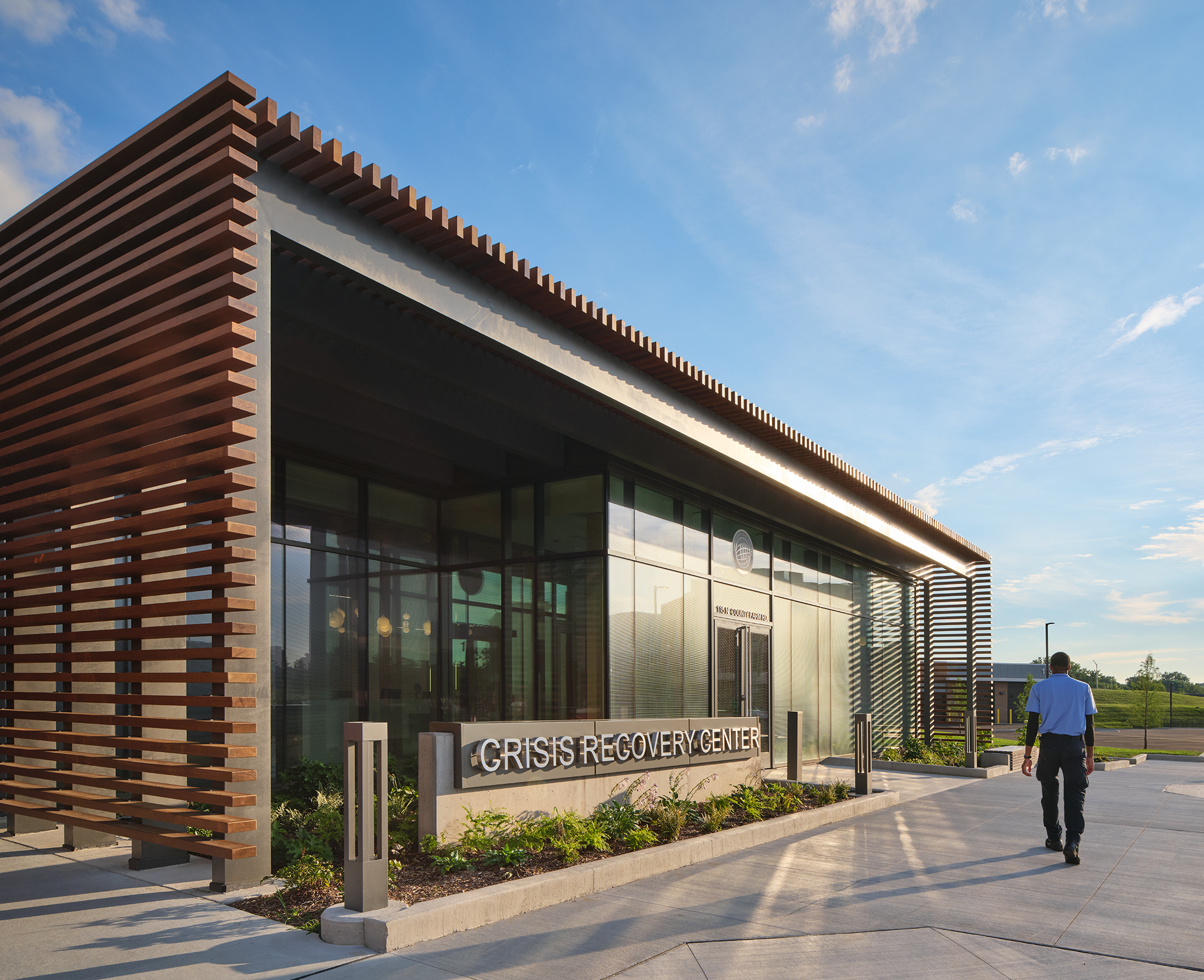
The DuPage County Crisis Recovery Center (CRC) redefines behavioral health care at the community level by destigmatizing mental health issues and offering a more appropriate alternative to hospitals and jails for those in crisis. Integrating mental health and substance use units for both youth and adults, the CRC provides 24/7 rapid intervention in a safe, therapeutic setting. Its biophilic design fosters healing, reduces stress, and supports staff and patient wellness through garden views, dappled daylight, natural materials, and calming refuge spaces. As both the designer and builder, Wight & Company’s (Wight) integrated team provided seamless project delivery from inception to occupancy.
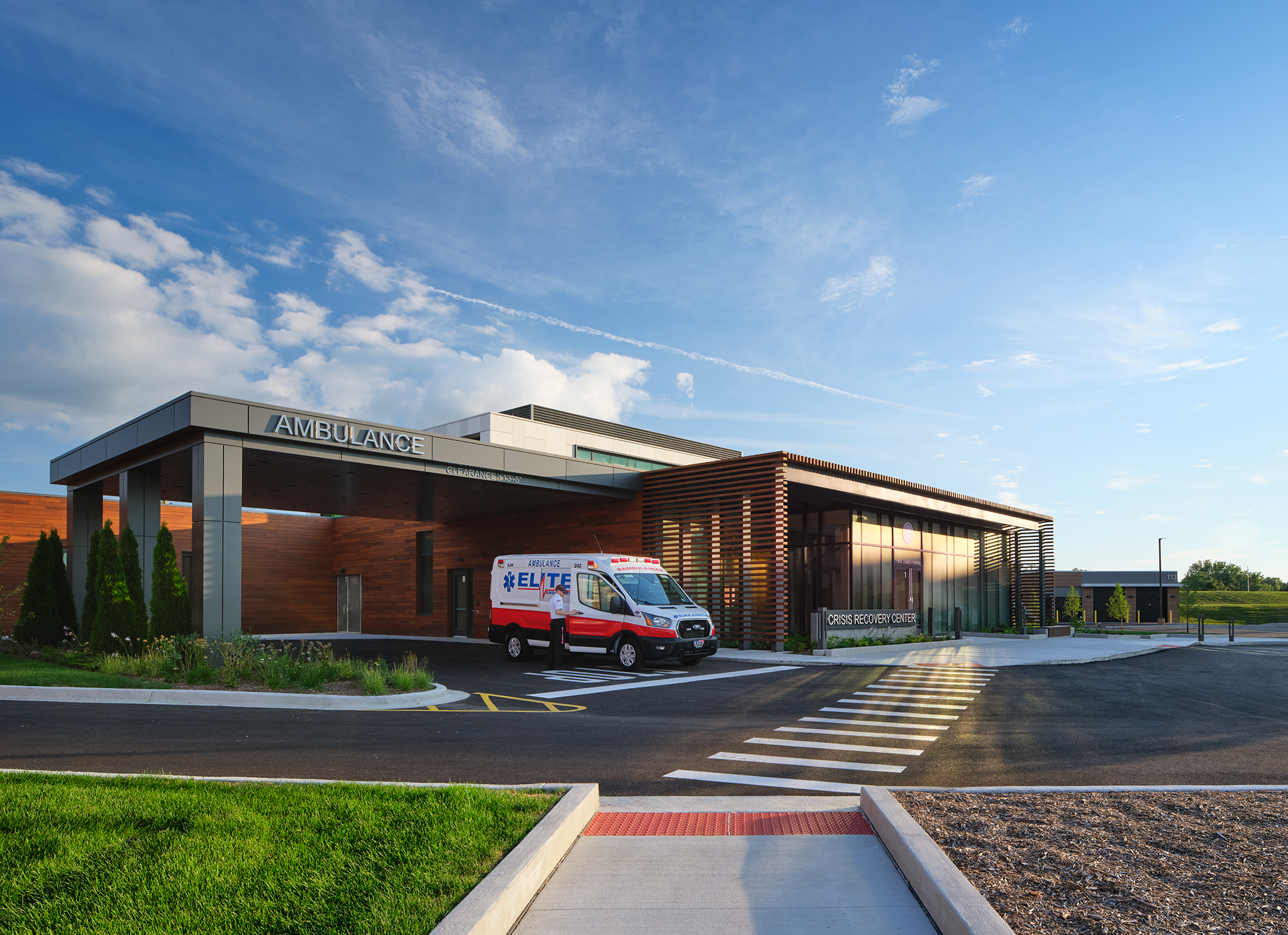
The DuPage County Health Department (DCHD) envisioned the CRC as a premier behavioral health facility. The CRC required a balance of operational and security needs in a welcoming, therapeutic setting. Realizing this vision required close collaboration. Wight’s designers, engineers, and construction professionals worked together under one roof from initial planning through construction, partnering with DCHD’s stakeholder groups to meet the facility’s future behavioral health space, operational, and specialty product needs.
The facility is designed to achieve WELL Building certification, influencing design decisions throughout. Biophilic principles are integrated to enhance wellbeing, reduce stress, and promote healing. Early in the process, the architectural team held a biophilic design workshop to review common biophilic principles and identify elements proven to lower blood pressure and heart rate, improve mood, and increase feelings of safety.
The central design vision is to provide a safe, dignified space that supports health and wellness for clients and staff through best practices and trauma-informed, evidence-based strategies. The building’s H-shaped layout fits site constraints while ensuring every client room overlooks landscaped gardens. Second-floor offices maximize views of green roof areas. The east-west building orientation optimizes daylight by bringing natural light in from the north and south. This minimizes glare and solar heat gain from the east and west while providing expansive views.
The building’s interior is designed to bring natural light into all spaces, creating an uplifting and relaxing atmosphere. Daylight modeling software was used to ensure optimal conditions in all client areas. Warm, non-institutional materials and textures, such as moss and wood, extend a hospitable, welcoming feel and help destigmatize the traditional building typology.
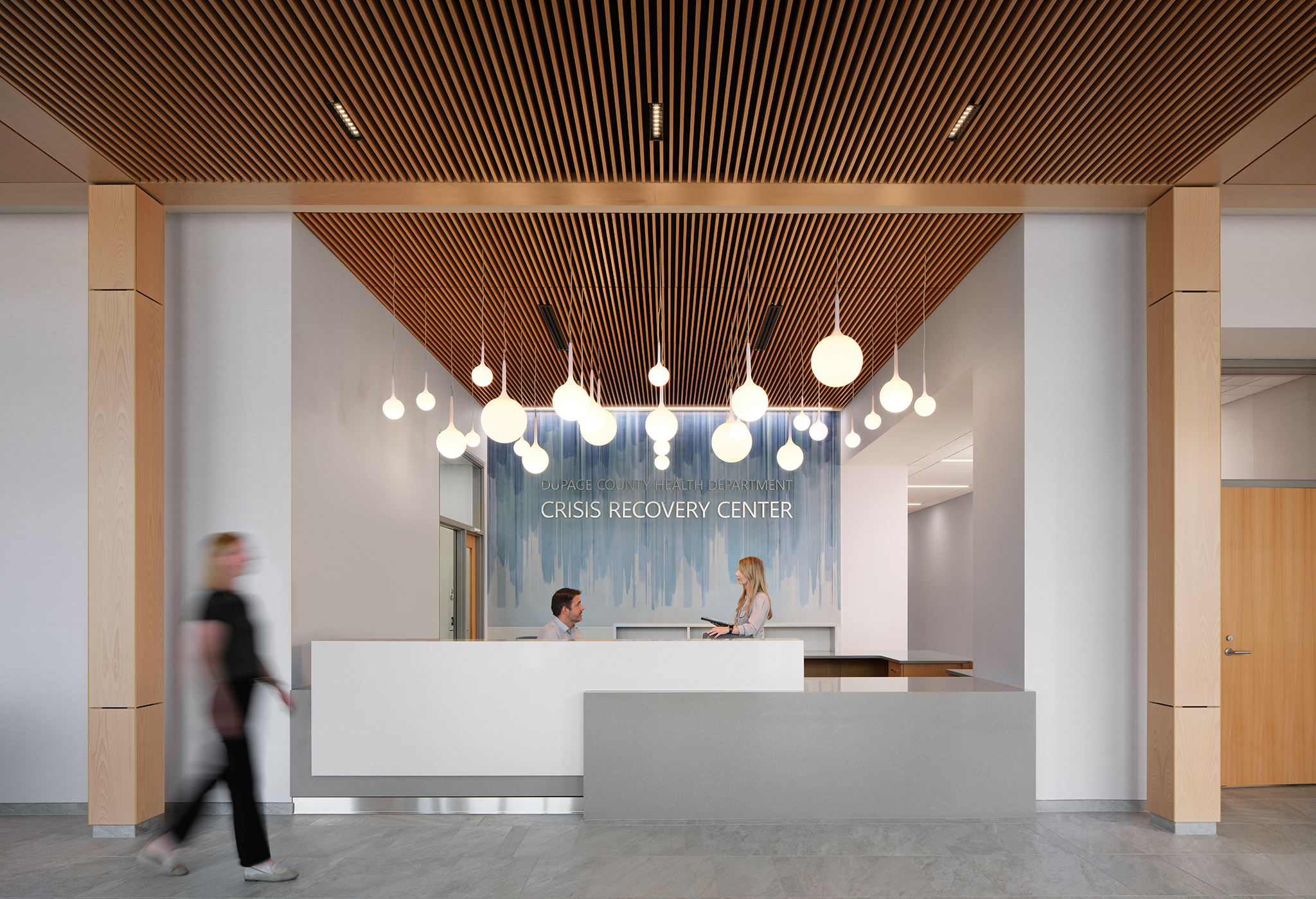
Construction of the CRC required careful planning and sequencing to achieve project goals while maintaining the ongoing operations of the surrounding campus. Because the facility is designed to serve individuals experiencing mental health or substance-use crises, the project team prioritized structural durability, safety, and a calming therapeutic environment from the outset. One of the earliest major construction activities was the installation of a corrugated metal pipe (CMP) stormwater system, which was placed beneath a newly created parking lot. Completing this system in Phase 1 of the project allowed the Health Department to begin using the parking area early, ensuring essential access for staff and clients throughout construction.
The building’s structure uses steel framing with metal stud exterior walls, providing the strength and adaptability required for a clinical environment with integrated mechanical and behavioral health systems. The exterior envelope combines fiber-cement board cladding, IPE wood siding, and a curtain wall system, creating a resilient, attractive façade that reflects a modern public health mission while withstanding long-term environmental exposure. These materials were selected not only for their aesthetics but also for durability, low maintenance, and compatibility with WELL certification goals, supporting healthy indoor environments through moisture management and optimal performance.
Construction progressed on an aggressive 15-month schedule, with high-quality and abuse-resistant finishes installed within just 3-4 months. These finishes were chosen to withstand the unique demands of behavioral health services while providing a welcoming, therapeutic atmosphere. Careful coordination among the trades was essential to ensure walls, casework, mechanical systems, and specialized safety features were completed in sequence, without compromising workmanship or schedule.
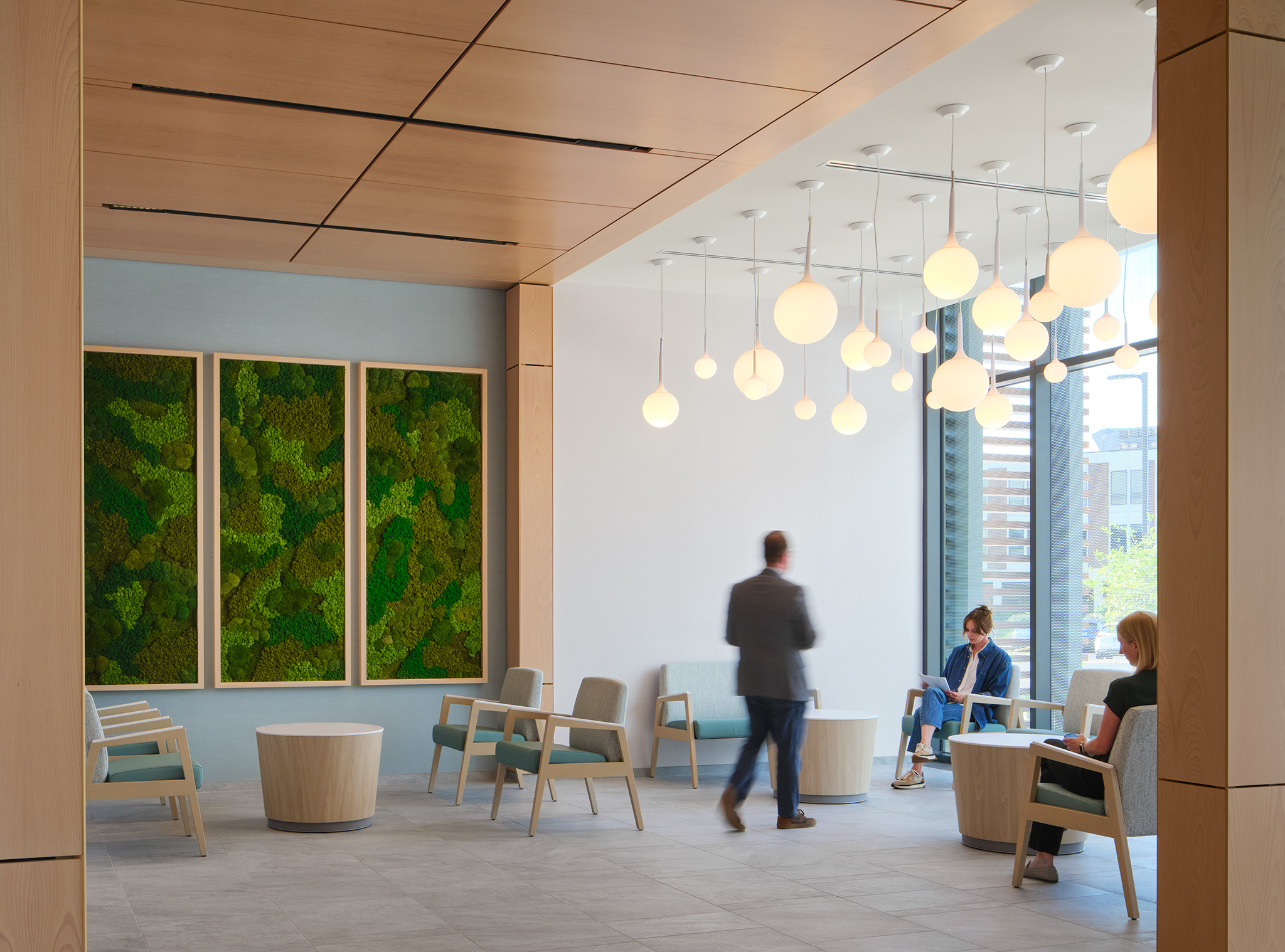
A major challenge was maintaining uninterrupted operations in the adjacent community center and across the active Health Department campus. To minimize disruptions, the construction team implemented detailed phasing, controlled access points, and constant communication with Health Department staff. Shared parking areas and pedestrian routes required continuous monitoring and adjustments to ensure safety for employees and clients. Through this collaborative, tightly managed approach, the project team successfully delivered a facility that supports crisis-response services, aligns with WELL certification principles, and strengthens health resources for the surrounding community.
Positive Impact on the Community
The Crisis Recovery Center (CRC) meets a critical and growing need in DuPage County by providing a safe, supportive, and appropriate environment for individuals experiencing mental health or substance use crises. Designed to be more than simply a clinical facility, the CRC is an essential community asset that fosters connection, purpose, and recovery.
Developed in close collaboration with the DuPage County Health Department, DuPage County, local municipalities, and elected officials, the CRC addresses systemic inefficiencies that often route individuals in crisis through emergency rooms and law enforcement systems ill-equipped for behavioral health care. This dedicated facility aims to ease the pressure on hospitals and first responders by meeting the community’s needs with compassionate, accessible clinical care.
The CRC’s location on the DuPage County Health Department campus was intentionally chosen for its proximity to key discharge services, reinforcing its role as a regional hub for behavioral health resources. Stakeholder engagement sessions and strong local government support underscore the CRC’s importance as a long-overdue investment in public health and community well-being.
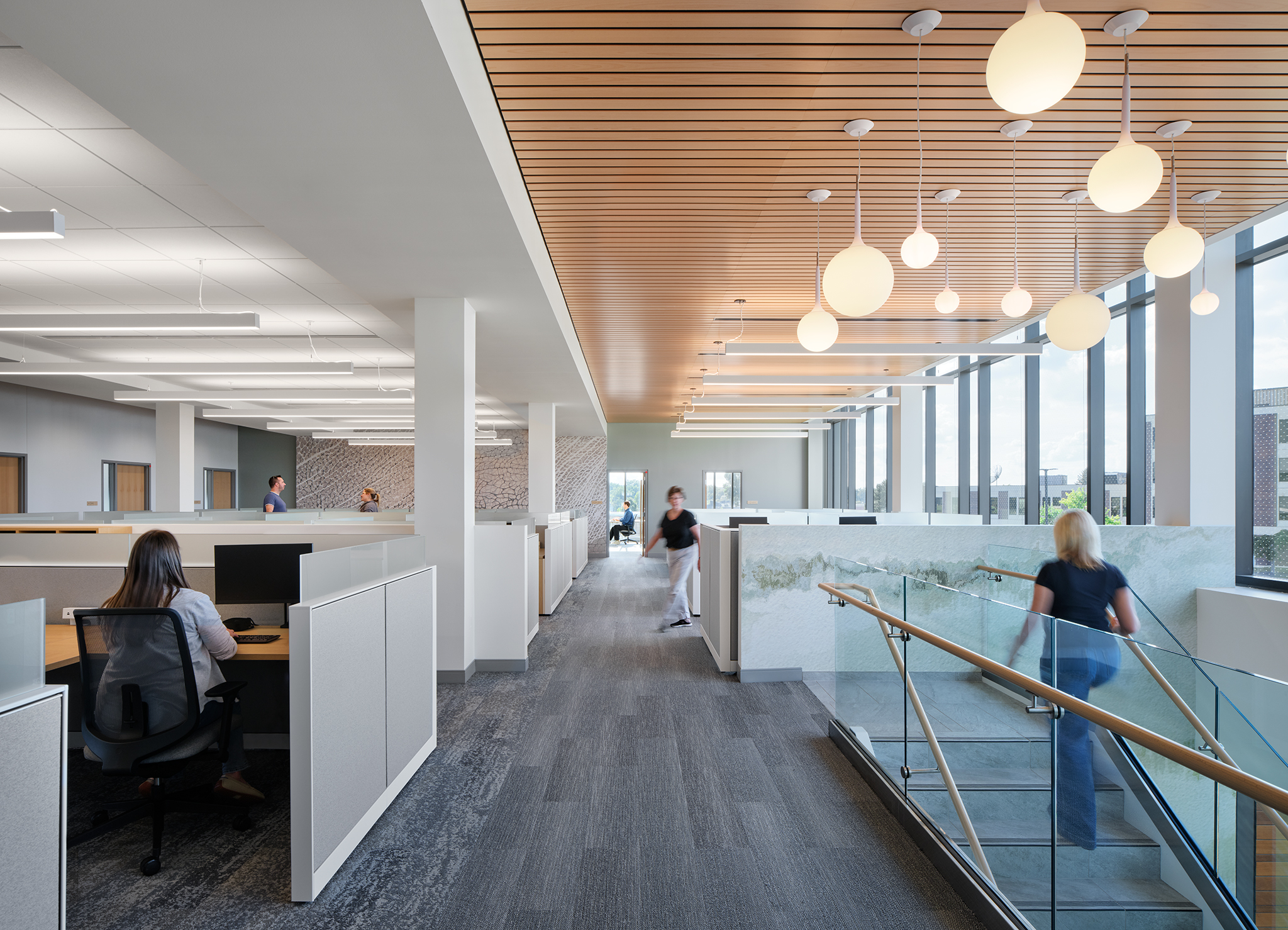
DuPage County Board Chair Deb Conroy noted that the CRC is “an additional line of defense” for individuals in need and a “significant step forward for our community.”
By design, the CRC meets these community-focused goals:
• Eases the pressure on emergency departments and law enforcement by providing a dedicated, appropriate alternative for individuals in crisis.
• Allows law enforcement and EMS to remain in service while ensuring individuals in crisis receive timely care.
• Creates a dignified, centralized entry point for behavioral health services.
The CRC does more than provide treatment; it fosters care, inclusion, and long-term healing to individuals who might otherwise fall through the cracks. By providing services to all people regardless of background or circumstance, the facility promotes a strong sense of equity—both among its occupants and throughout the broader community.
The facility reaffirms the community’s values, those that are rooted in compassion, evidence-based care, and thoughtful public stewardship. The CRC is more than a building; it’s a tangible example of care, compassion, and resilience for DuPage County.
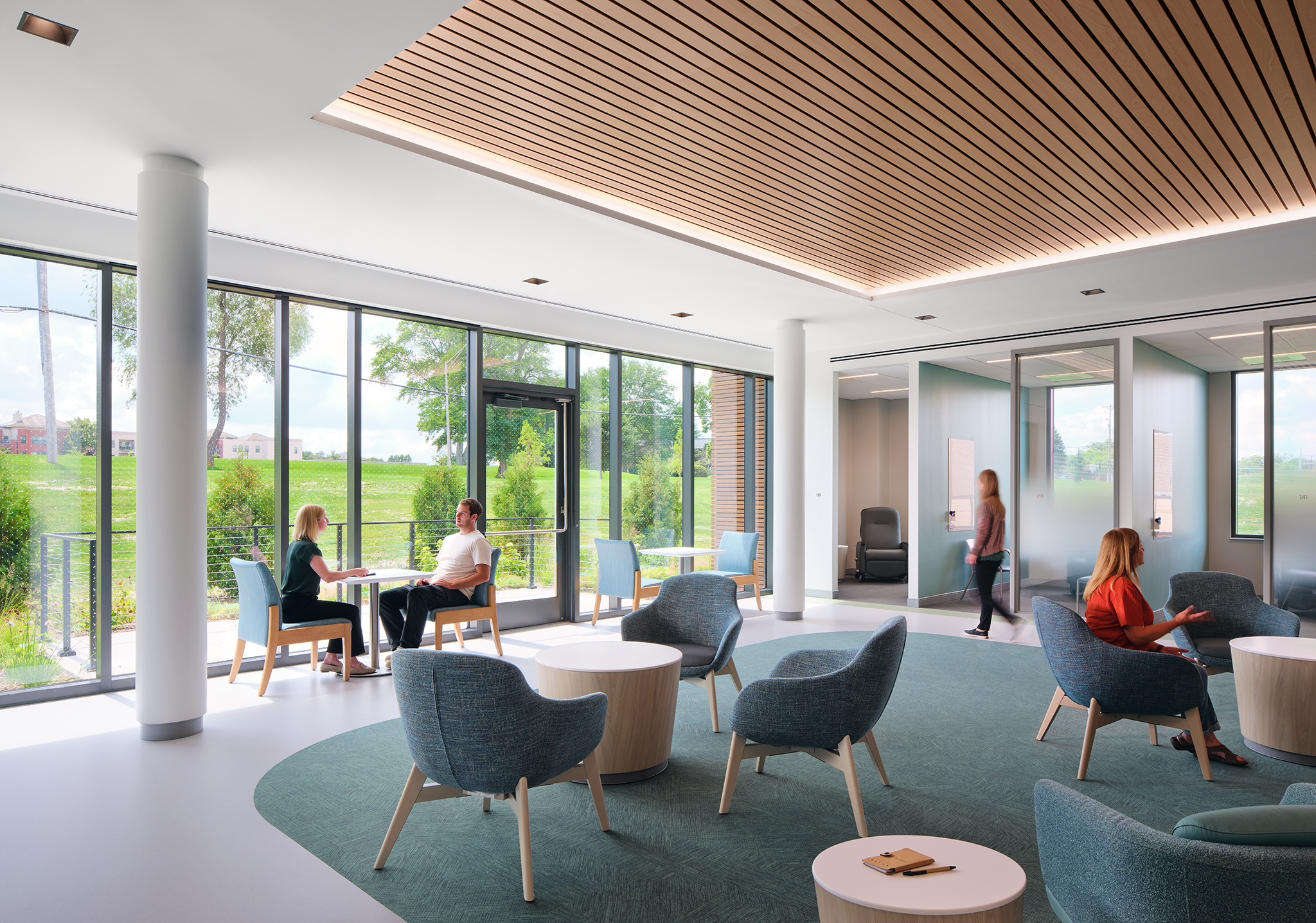
The CRC provides immediate, urgent support for individuals experiencing a behavioral health crisis, addressing a critical gap often seen in overcrowded emergency rooms. By diverting these cases from the ER, the CRC helps reduce hospital wait times and enables medical staff to focus on patients with acute physical health needs.
CRC clients receive short-term stabilization services for up to 24 hours, with some withdrawal management cases extending to as long as three days. The CRC’s location on the DuPage County campus was intentionally selected for its central access to public transit, county services, and behavioral health discharge resources, positioning it as a key regional hub for behavioral health support. Once stable, clients receive a warm handoff to community-based services, ensuring continuity of care and long-term support.
The DCHD has committed to conducting annual staff surveys to gather meaningful feedback on the building environment and operations. Additionally, the DCHD will track local hospital emergency department diversion rates and law enforcement time-back savings to evaluate operational cost impacts and identify cost-sharing opportunities to strengthen the case for this community service model.
The CRC, situated at the intersection of mental health services, justice, and healthcare, exemplifies how thoughtful architecture and construction can catalyze improvements in community health.
Safety Record
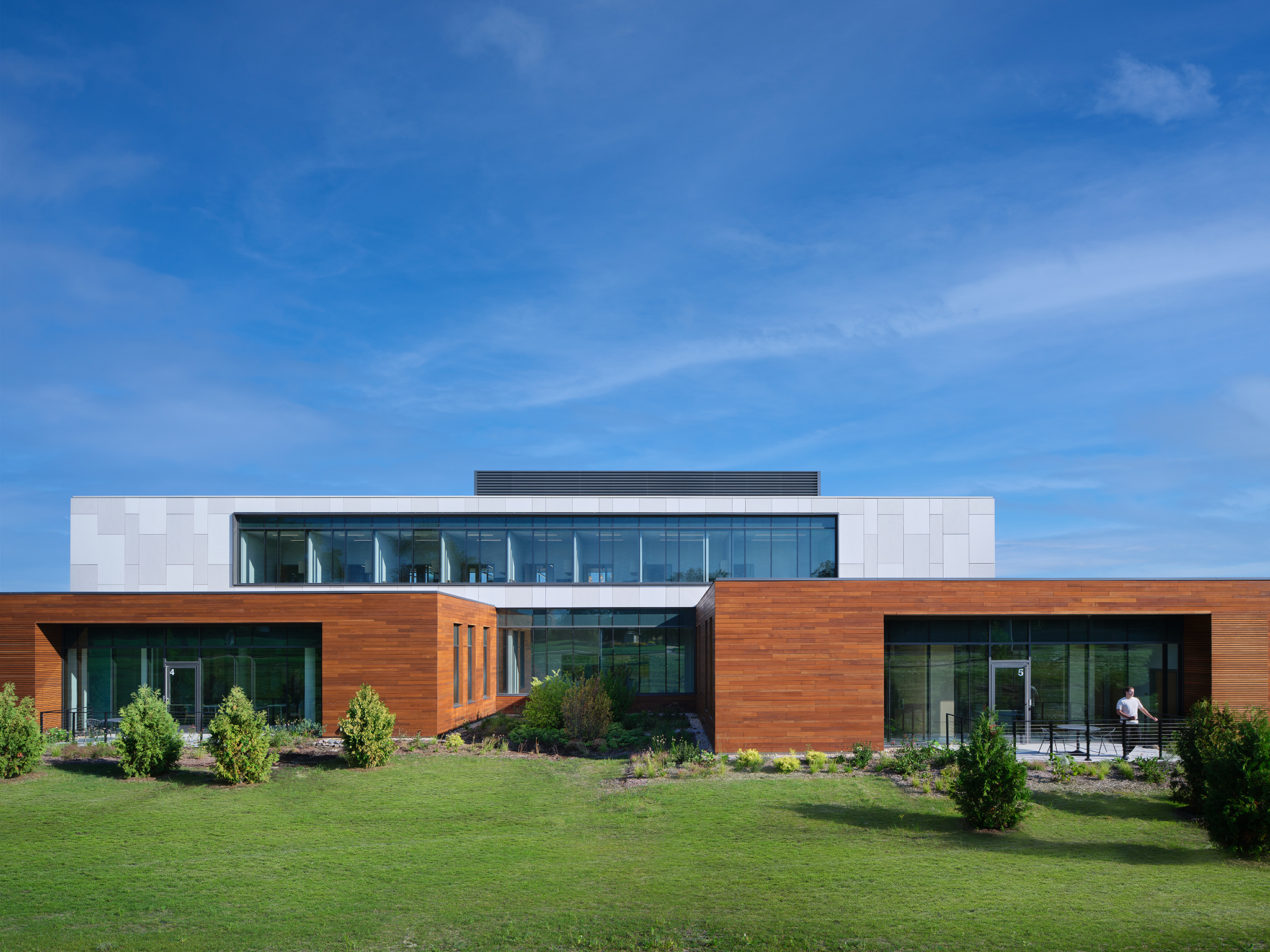
Prioritizing the safety of trade contractors, the Wight team, and all visitors to the site was essential to the overall success of the DuPage County Health Department Crisis Recovery Center project. Approximately 30 trade contractors contributed to the project, and all field personnel were required to complete a 30-hour OSHA certification. On-site safety was strictly enforced, including mandatory use of hard hats, safety glasses, and high-visibility apparel. Each trade contractor was required to submit a written safety program and maintain it on-site for the duration of the project, including emergency contact information and all necessary MSDS documentation.
In addition to day-to-day safety oversight, Wight partnered with Sheffield Safety to help implement and monitor the site-specific safety plan. Sheffield Safety was regularly on-site to conduct inspections, provide guidance, and issue detailed reports that identified potential hazards and documented corrective actions taken.
Through the combined diligence of trade contractors and the Wight Construction team, the project achieved zero lost-time incidents across more than 60,000 work hours.